

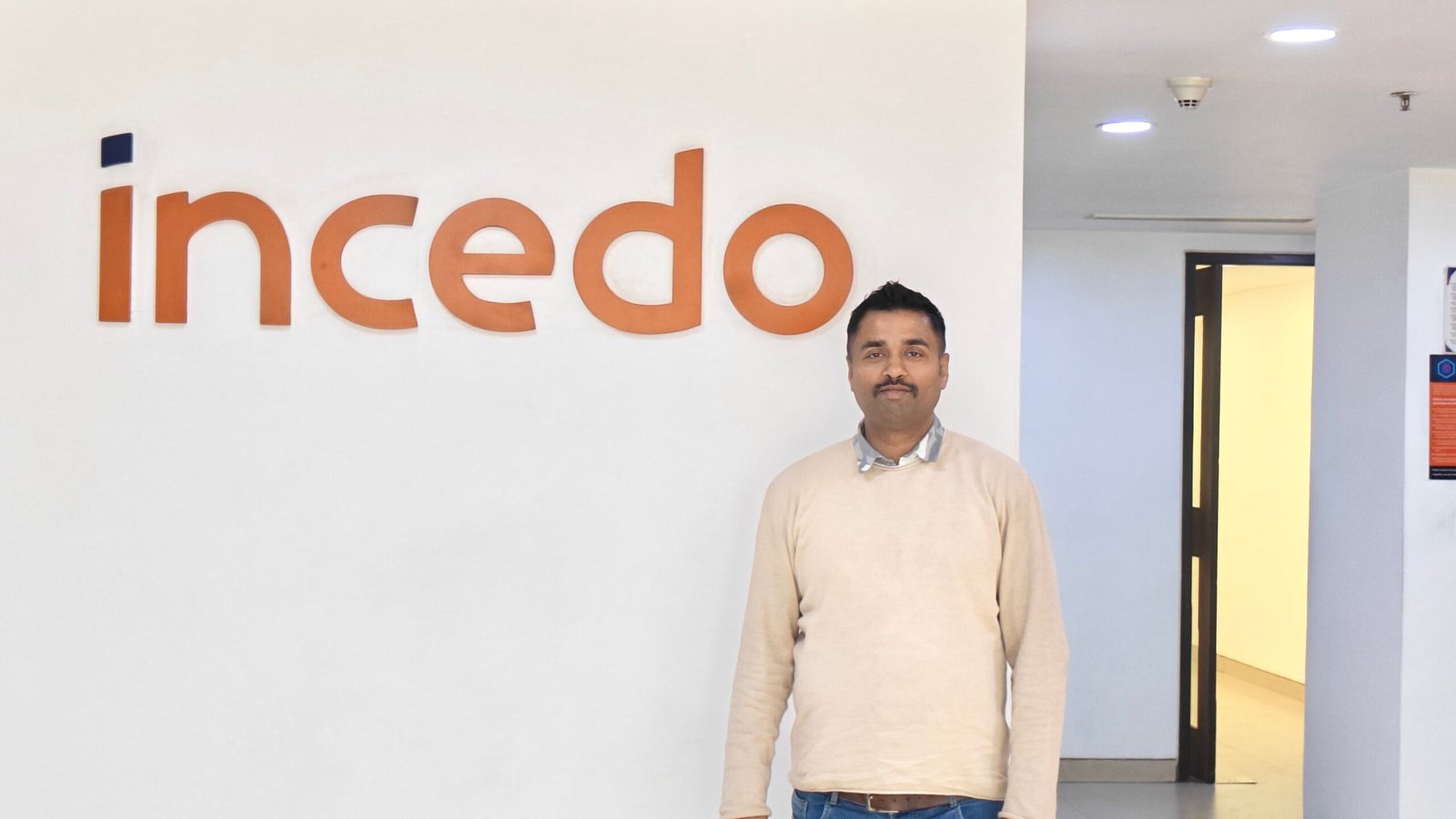
Recently, I visited the Incedo Gurugram office for a hiring drive that included coding, L1, and L2 interview rounds. Like many candidates, I went in with hope and preparation — and like many others that day, I wasn’t selected.
But this experience revealed something important:
👉 The tech job market is highly competitive, even for experienced professionals.
👉 Companies are hiring selectively across multiple roles and skill levels.
👉 Preparation depth matters more than years of experience alone.
Some candidates with 5, 7, 9, 10, and even 15 years of experience were also not selected, while only a few made it through. Many attendees were actively looking after months without roles — highlighting how crucial continuous upskilling has become in today’s industry.
This article is not just about one interview. It’s a complete global guide to help developers prepare smarter — covering .NET, React, Angular, AWS, Azure, DevOps, and interview strategy so you can succeed in modern tech hiring processes.
Key Takeaways from the Hiring Drive
- Selection ratios are lower even when multiple openings exist
- Real-world problem solving is prioritized over theoretical knowledge
- System design and practical architecture questions are common
- Communication and clarity strongly influence L2 decisions
👉 The biggest lesson: Preparation must be holistic — not just coding.
Step-by-Step Interview Preparation Strategy
1️⃣ Foundation Phase (2–4 Weeks)
- Data Structures & Algorithms (arrays, trees, graphs, DP basics)
- OOP principles and design patterns
- One primary tech stack deep dive
2️⃣ Practical Phase (3–6 Weeks)
- Build 2–3 production-style projects
- Add cloud deployment
- Implement authentication, caching, logging
3️⃣ Interview Simulation Phase
- Mock interviews
- System design practice
- Behavioral storytelling (STAR method)
Complete Technology Preparation Roadmap
.NET (Backend Mastery)
Core Concepts
- CLR, CTS, Garbage Collection
- Async/Await & multithreading
- Dependency Injection
Advanced Topics
- ASP.NET Core middleware pipeline
- Web API versioning
- Entity Framework Core performance tuning
- Microservices with .NET
👉 Build: Scalable REST API with JWT + Redis caching
React (Modern Frontend)
Core
- Components, props, state lifecycle
- Hooks (useEffect, useMemo, useCallback)
- Context API
Advanced
- Performance optimization
- Server-side rendering (Next.js)
- Testing with Jest & React Testing Library
👉 Build: Dashboard with charts, auth, and API integration
Angular (Enterprise Frontend)
Core
- Modules, components, services
- RxJS observables
- Forms & validation
Advanced
- Lazy loading modules
- NgRx state management
- Performance optimization
👉 Build: Enterprise CRUD app with role-based access
Cloud Engineering
AWS Concepts
- EC2, S3, RDS fundamentals
- IAM security best practices
- VPC networking
- Serverless (Lambda + API Gateway)
Azure Concepts
- App Services & Functions
- Azure DevOps pipelines
- Cosmos DB
- Azure Active Directory
👉 Goal: Deploy full-stack app on cloud with CI/CD
Complete DevOps Roadmap
Version Control
- Git branching strategies
- Pull request workflows
CI/CD
- GitHub Actions / Azure DevOps
- Automated testing
- Deployment pipelines
Containers & Orchestration
- Docker fundamentals
- Kubernetes basics (pods, services, ingress)
Observability
- Logging (ELK / Application Insights)
- Monitoring & alerts
👉 Build: End-to-end pipeline deploying containerized app
System Design Topics to Master
- Scalability fundamentals
- Load balancing
- Caching strategies
- Event-driven architecture
- Database sharding
- CAP theorem basics
Practice designing:
- URL shortener
- E-commerce system
- Real-time chat
Soft Skills That Influence Final Selection
✔ Clear problem explanation
✔ Structured thinking
✔ Asking clarifying questions
✔ Confidence without over-claiming
Often, communication is the deciding factor in L2 rounds.
Reality of Today’s Tech Job Market
The hiring drive reflected a global trend:
- Companies are cautious but still hiring
- Skill depth outweighs years of experience
- Continuous learning is essential
- Multi-skill engineers (full-stack + cloud + DevOps) have an advantage
30-Day Tech Interview Preparation Roadmap
This roadmap is designed for working professionals and job seekers who can dedicate 2–4 hours daily.
Week 1 — Fundamentals & Coding Foundation
Day 1–2
Arrays, strings, hashing problems
Big-O complexity revision
Day 3–4
Linked lists, stacks, queues
Practice 5–6 medium problems
Day 5
Trees basics and traversals
Day 6
Recursion fundamentals
Backtracking introduction
Day 7
Weekly revision + mock coding test
Goal: Build strong problem-solving confidence
Week 2 — Backend & .NET Mastery
Day 8
ASP.NET Core architecture
Middleware pipeline
Day 9
Dependency Injection deep dive
Day 10
Async programming & threading
Day 11
Entity Framework performance tuning
Day 12
API security (JWT, OAuth basics)
Day 13
Caching strategies (Redis, in-memory)
Day 14
Build mini scalable API project
Goal: Demonstrate production-ready backend knowledge
Week 3 — Frontend + Cloud
Day 15
React fundamentals and hooks
Day 16
State management and performance
Day 17
Angular architecture and RxJS
Day 18
Build small frontend project
Day 19
AWS core services (EC2, S3, IAM)
Day 20
Azure services (App Service, Functions)
Day 21
Deploy full-stack project to cloud
Goal: Show end-to-end ownership ability
Week 4 — System Design & DevOps
Day 22
System design fundamentals
Day 23
Design URL shortener
Day 24
Design scalable API
Day 25
Docker and containerization
Day 26
CI/CD pipelines
Day 27
Monitoring and logging
Day 28
Mock system design interview
Final 2 Days — Interview Simulation
Day 29
Behavioral interview prep
Prepare stories using STAR method
Day 30
Full mock interview (coding + design + HR)
Goal: Build confidence and clarity
Final Thoughts
Not getting selected doesn’t define your capability — it defines where the bar currently is. Experiences like this help us recalibrate, prepare deeper, and come back stronger.
If you’re preparing for tech interviews anywhere in the world, focus on:
👉 Strong fundamentals
👉 Real projects
👉 Cloud & DevOps exposure
👉 Clear communication
Opportunities follow preparation — consistently.