

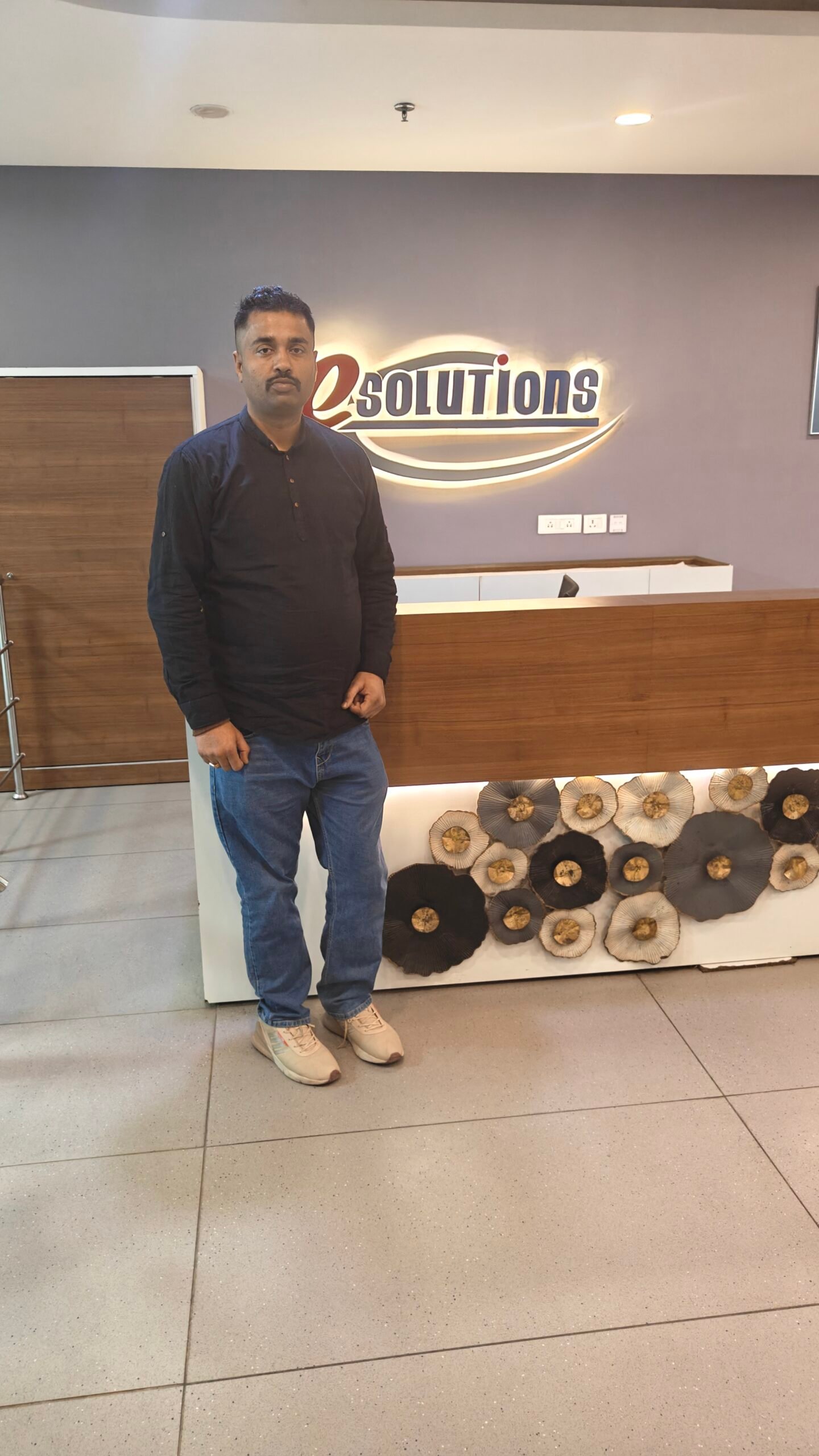
In the fast-evolving world of technology, every interview is more than a hiring discussion—it’s a window into how companies think, build, and scale globally. Recently, I visited eSolutions for an interview for the Tech Lead position, and the experience offered valuable insights into global software delivery, modern engineering culture, and the current job market dynamics.
Standing inside their office—surrounded by a world map labeled Global Footprint—was a subtle yet powerful reminder of how today’s technology companies are no longer bound by geography. Software has become borderless, and leadership in tech now demands a global mindset.
eSolutions: A Company with a Global DNA
eSolutions positions itself as a globally connected technology organization, serving clients across continents. The emphasis on global footprint is not decorative—it reflects how modern IT companies operate:
- 🌐 Distributed teams across regions
- 🤝 Clients from multiple industries worldwide
- 🚀 Scalable delivery models
- 🔐 Enterprise-grade solutions with global compliance
Such companies typically focus on long-term partnerships, not just project delivery. Their infrastructure, work culture, and branding indicate maturity—something essential for handling complex enterprise systems.
The Role of a Tech Lead in Today’s World
Interviewing for a Tech Lead role today is very different from even five years ago.
A modern Tech Lead is expected to be:
- Architect + Mentor + Decision Maker
- Someone who understands business impact, not just code
- Comfortable with cloud, DevOps, security, and scalability
- Able to guide teams across time zones and cultures
During my interaction, it was evident that leadership roles now require clarity of vision, technical depth, and people management skills—a combination that defines high-impact engineering leaders.
Global Job Market: Reality Check for Tech Professionals
The global tech job market is undergoing a major transformation:
What’s Changing?
- ❌ Mass hiring is gone
- ❌ Generic skills no longer stand out
- ❌ “Framework-only” developers are struggling
What’s in Demand?
- ✅ System design & architecture
- ✅ Cloud-native development
- ✅ API-first and microservices architecture
- ✅ Security-aware engineering
- ✅ Leadership and ownership
Companies like eSolutions are not just hiring coders—they are hiring problem solvers who can scale systems globally.
Modern Project Development: How Global Teams Build Software
Based on industry standards followed by companies of this nature, modern project development typically involves:
🔹 Architecture First
- Domain-driven design
- Scalable microservices
- API contracts before UI
🔹 DevOps & Automation
- CI/CD pipelines
- Infrastructure as Code
- Automated testing
🔹 Cloud-Native Thinking
- AWS / Azure ecosystems
- Cost optimization
- High availability & disaster recovery
🔹 Security by Design
- Encrypted payloads
- Role-based access
- Compliance with global standards
These practices define enterprise-grade delivery, and companies with global reach cannot compromise on them.
Interviews Are Two-Way Conversations
One important lesson many candidates miss:
Interviews are not just about being selected—they are about selecting the right ecosystem for growth.
While visiting eSolutions, what stood out was:
- A professional environment
- Structured leadership thinking
- Clear focus on global delivery
- Strong emphasis on quality and process
For senior roles, culture and vision matter as much as compensation.
Advice to Aspiring Tech Leads & Senior Engineers
If you want to grow into leadership roles in globally operating companies:
- Build depth, not just breadth
- Learn system design, not only syntax
- Understand business + tech alignment
- Improve communication and decision-making
- Think global, even if you work locally
Technology rewards those who adapt faster than the market changes.
Final Thoughts
My visit to eSolutions was a reminder that technology careers are no longer linear. They are shaped by global exposure, leadership readiness, and continuous learning.
For companies, the challenge is building systems that scale worldwide.
For professionals, the challenge is becoming skilled enough to lead them.
And that’s where the future of technology truly lies.